Table Of Content
It was also during this time that printing techniques became highly advanced. The production of woodblock prints was handled by what was then called a ukiyo-e quartet. It included the publisher, who managed the enterprise, the blockcutter, the printer and the artist. By the 1740s, ukiyo-e art prints were already being made in multiple vivid colors. Another important characteristic of these prints is the materials that they use, specifically washi paper, which you can find out more about at All You Need to Know About Washi Paper. In the mid-19th century, ukiyo-e saw increased perspective techniques and a shift towards landscapes over figures.
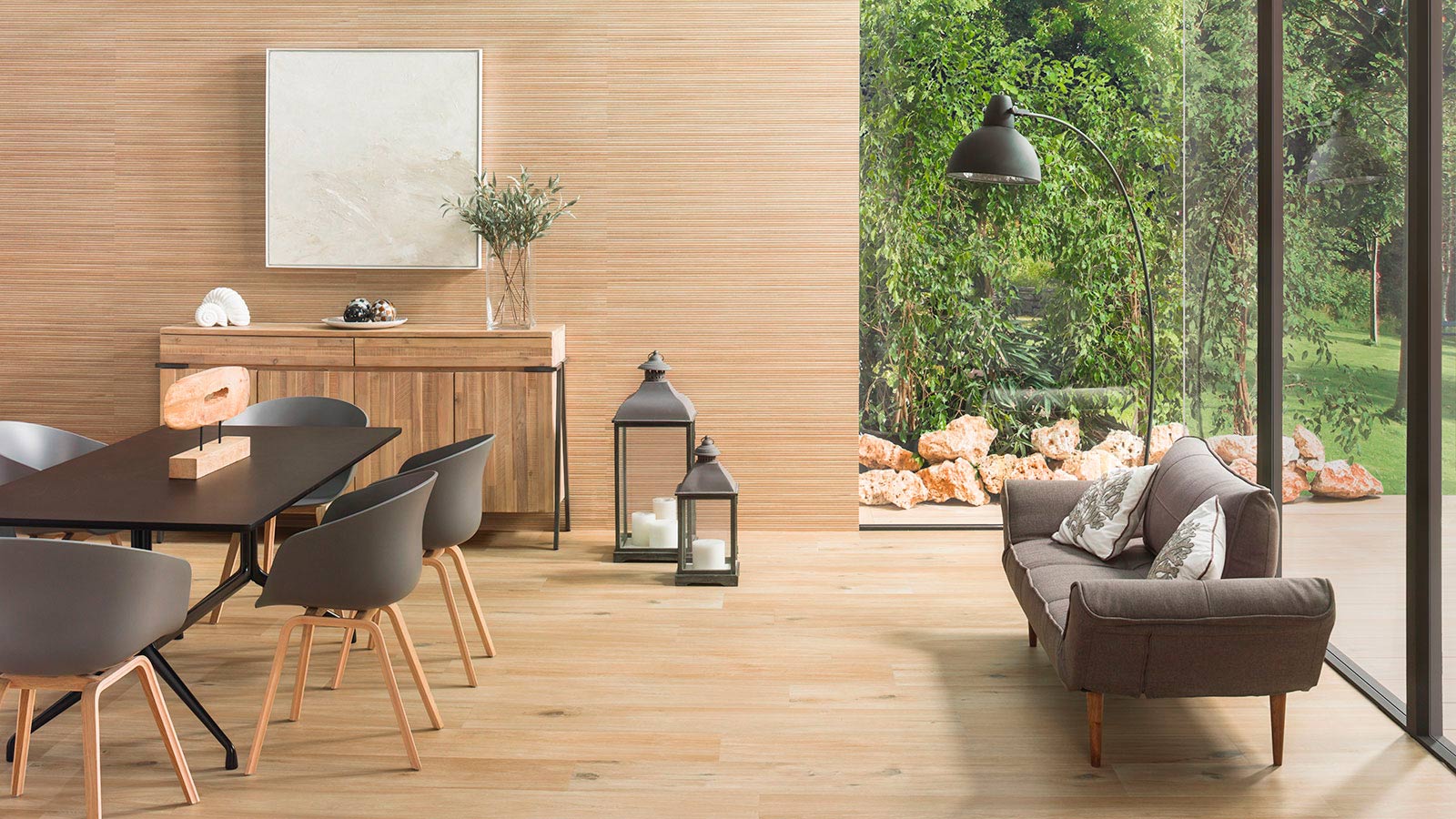
Japandi Style: Everything You Need to Know About These East-Meets-West Interiors
“This combination makes an interesting space with different use of natural materials and shapes, and creates contrast in multiple ways,” Rietbergen explains. “The common love for craftsmanship is also found in Japandi style interiors,” she adds. Japandi homes, though a more established style now, date back hundreds of years.
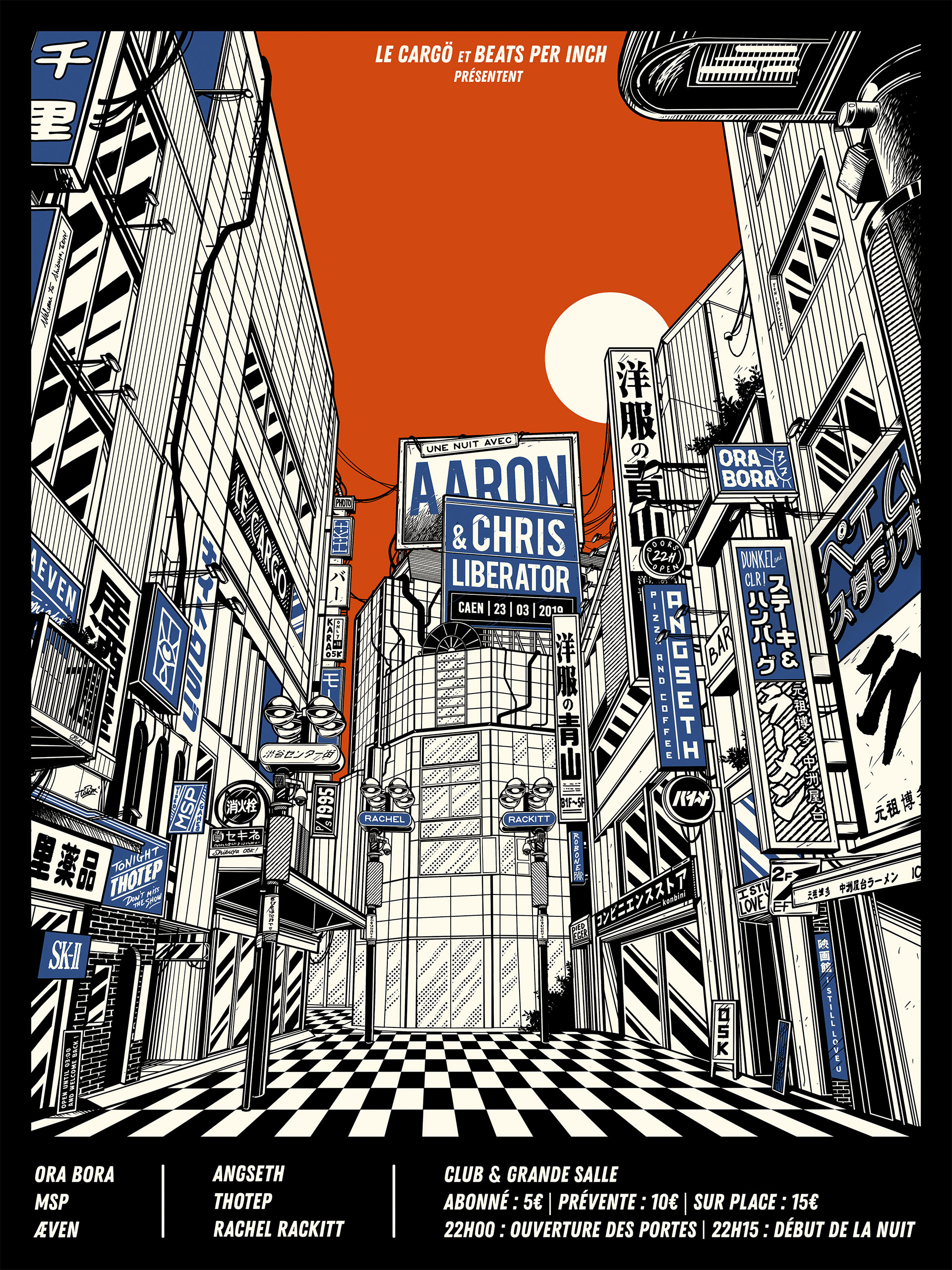
Japan’s Dwindling “Signboard” Buildings
Ikea Sötrönn collection: Scandinavia meets Japan - Wallpaper*
Ikea Sötrönn collection: Scandinavia meets Japan.
Posted: Thu, 25 Apr 2024 11:30:43 GMT [source]
The difference between Western conceptions of minimalism and Japanese minimalism is that minimalist designs can lean toward feeling sterile and cold in the West. Another express example of minimalism in Japanese creative arts is haiku poetry. Standalone haiku poems emerged in the 17th century as a response to traditional Japanese poetry called renga, which usually consisted of 100 stanzas.
The Art of the Samurai
The earliest pieces of Japanese art come from the Jomon Period (circa 14,000 to 300 BCE), which was actually named for the corded rope used to imprint designs onto earthenware clay (jomon can be translated as rope-marked). The beauty and splendor of Japanese ceramics is renowned worldwide, and there are a multitude of world-class ceramic styles (see our A-Z Guide to Japanese Ceramics). Yet it is little known that the beloved pottery that captivated the world in the 1600s came from a humble southern town called Arita. It was expertly crafted by hand and made of materials we may consider opulent, such as lacquer for weather-proofing and leather (and eventually silk lace) to connect the individual scales. Facial armor was also an intricate art in its own right; you can read more at 10 Things You Might Not Know About Traditional Japanese Masks. Even during times of peace, samurai continued to wear or display armor as a symbol of their status.
It is fitting that both of these buildings are located in Nara, as it was established as Japan’s first permanent capital in 710. Surrounding the outside of a traditional Japanese home is a porch-like veranda called an engawa. Though part of the home, the engawa exists as a bridge, connecting the inside and the outside worlds. The relationship between shoji and engawa is poetic and playful, shoji and fusama maintaining the roles of opening and closing the house to light, shadows, and air from the outside. As seen in Hamarikyu gardens in Tokyo, the teahouse engawa plays an important role in the relationship between indoor and outdoor.
Stream Design Museum Japan Seasons & Full Episodes - pbssocal.org
Stream Design Museum Japan Seasons & Full Episodes.
Posted: Wed, 28 Feb 2024 03:11:02 GMT [source]
The Nisshoki flag is designated as the national flag in the Act on National Flag and Anthem, which was promulgated and became effective on 13 August 1999. Although no earlier legislation had specified a national flag, the sun-disc flag had already become the de facto national flag of Japan. Two proclamations issued in 1870 by the Daijō-kan, the governmental body of the early Meiji period, each had a provision for a design of the national flag.
Fuseika House
Junya Watanabe began working as a pattern maker at Commes des Garçons while attending Bunka Fashion College in Tokyo. The young Fukushima born designer worked his way up and eventually was able to begin his own line under the Commes des Garçons name. Like his mentor, Rei Kawakubo, who is known for her offbeat and singular style, Watanabe has made a name for himself by making unique texture choices.
Most influential architects
What makes Japanese architecture homes different is how its dominated by wood. Due to the humidity, the risk of earthquakes, and the possibility of typhoons, wood became preferred over stone or other materials, as it led to proper ventilation to combat the climate and was durable in the face of natural disasters. They valued the wood, showing respect by not covering its natural beauty to the eye. Further, many structures, especially temples and shrines, refrain from using nails.
The installation unveiled a new Seyun side table, tray and lounge chair – all crafted from just three single pieces of wood, a signature feature of all Seyun creations. Michiko Koshino began her fashion career in London, after graduating from Bunka Fashion College. Koshino’s knowledge in fashion and retail began early due to working in her mother’s boutique store in their hometown of Osaka.
Instead, they shape the frames of the building to fit like puzzle pieces, interlocking them together sturdily this way known as tokyō (斗栱). Japanese architecture values sustainability and deep connections to nature. The Japanese’s minimalistic use of materials says much about their mindset. Located in the city of Osaka, this house built by the Yo Shimada-led team has a floor plan based on a pattern of twelve squares connected by diamonds, in turn composed of two equilateral triangles. The final effect is that of an image refracted in a prism, which creates a transparent labyrinth of eighteen rooms, articulated on two floors, whose various spaces can adapt to the various needs of the living room. Another idea on which the design of the house was based is that which sees the traditional division of environments as a constraint of lifestyle – which should instead be free and flexible.
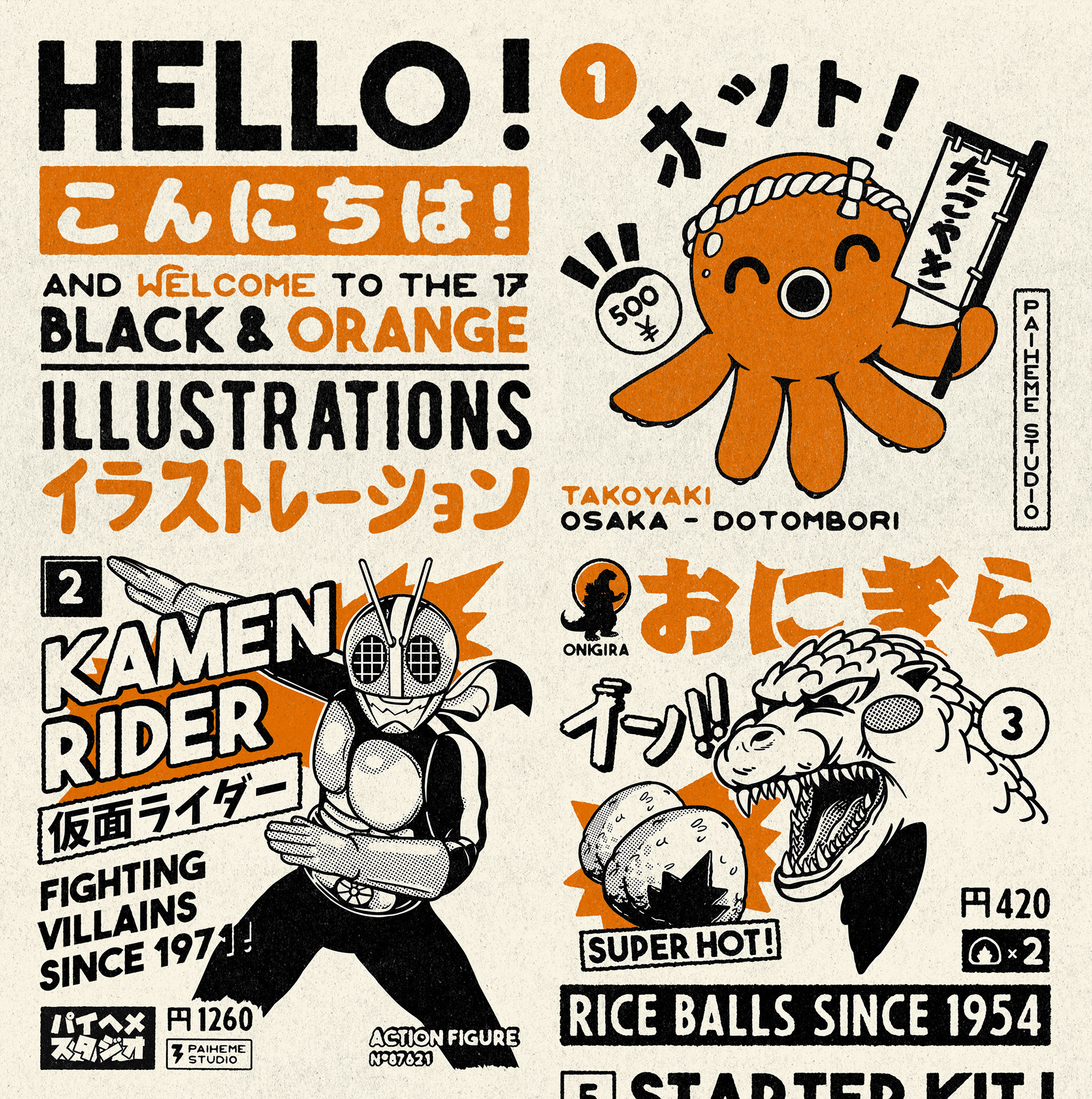
Another interesting element of Japanese graphic design and typography is the use of brushstrokes. This is a direct link to the ancient art of Shodō or Japanese calligraphy, which has been part of Japanese culture since the year 600. Shodō is still taught today in Japanese schools so it seems obvious that it would make its way into Japanese graphic design.
Through the careful arrangement of the windows the light enters the interior spectacularly, defining the spaces and merging even more the modernist interiors with the nature of the exterior. In Japanese culture, all life has meaning and value, which is illustrated in their respect for nature. They strive to work in harmony with their natural surroundings, as opposed to tame it. Homes and buildings are seen as one with nature, all a part of the environment. There is no push or pull, just a flow of mutual understanding between the man-made and natural. In recent years, as contemporary architects and designers push towards a new generation of circular and sustainable design, Famous Japanese traditional architecture has become a crucial point of inspiration and wisdom.
Their style is described as "a combination of fine art and industrial design." Recurring themes in Asuka's work are abstraction through geometric shapes, symmetrical arrangements, and bright and contrasting colors. The Japanese have a profoundly philosophical approach to graphic design, valuing simplicity, striking contrasts, and appropriate symbolism (as seen in their national flag design and other examples discussed earlier). Since the opening of Japanese borders, Western styles and ideas could cross-pollinate. Western goods became increasingly popular and also influenced Japanese graphic design. From 1915 until the 1940s, the Shin-hanga and Sōsaku-hanga movements in woodblock printing saw Western ideas and processes interweaving with Japanese subject matter. The phrase "Japanese design" would, of course, refer to creative work done by Japanese designers.
The couple who own this house needed to create an extremely simple environment in order to look after their three children – for this reason it was built as a single large space at the center of which is a tree. Around the central hall are articulated all the various spaces of the house that were built according to a more classic architectural taste, modernized however by the liberal use of spaces illuminated by a large central skylight. Historically, both Western and Japanese sources claimed the flag was a powerful and enduring symbol to the Japanese. Since the end of World War II (the Pacific War), the use of the flag and the national anthem Kimigayo has been a contentious issue for Japan's public schools, and disputes about their use have led to protests and lawsuits. Several military banners of Japan are based on the Hinomaru, including the sunrayed naval ensign.


No comments:
Post a Comment